

 English
 Español
A Fast-Food-Box aus Kunststoff ist ein Behälter in Lebensmittelqualität – typischerweise aus Polypropylen (PP), Polyethylenterephthalat (PET) oder expandiertem Polystyrol (EPS) – der zum Verpacken, Transportieren und Präsentieren heißer oder kalter Fast-Food-Artikel entwickelt wurde und dabei die Temperatur aufrechterhält, Lecks verhindert und Lebensmittelsicherheitsstandards erfüllt. Fast-Food-Boxen aus Kunststoff werden weltweit in Schnellrestaurants, Imbissbuden, Food-Courts und Lieferplattformen eingesetzt und reichen von einfachen Burgerkartons mit Klappdeckel bis hin zu Essenstabletts mit mehreren Fächern und sicher verschließbaren Deckeln. Dieser Leitfaden behandelt Materialien, Typen, Leistungsvergleiche, behördliche Überlegungen und Alternativen, um Gastronomiebetreibern und Verpackungskäufern dabei zu helfen, die fundierteste Entscheidung zu treffen.
Warum Fast-Food-Boxen aus Kunststoff nach wie vor die am häufigsten verwendete Lebensmittelverpackungsoption sind
Fast-Food-Boxen aus Kunststoff dominieren den globalen Markt für Lebensmittelverpackungen, da sie eine unübertroffene Kombination aus niedrigen Stückkosten, Feuchtigkeitsbeständigkeit, struktureller Stabilität und Kompatibilität mit automatisierten Verpackungslinien bieten, die derzeit kein anderes einzelnes Material in großem Maßstab reproduzieren kann.
Der weltweite Markt für Lebensmittelverpackungen wurde im Jahr 2023 auf etwa 370 Milliarden US-Dollar geschätzt, wobei Kunststoffbehälter mehr als 40 % davon ausmachten. Insbesondere im Fast-Food- und Schnellrestaurant-Segment (QSR) haben Kunststoffverpackungen einen noch größeren Anteil – insbesondere in den asiatisch-pazifischen Märkten, wo PP- und PET-Behälter Standard für alles sind, von Reisgerichten über Nudelschüsseln bis hin zu Brathähnchensets.
Der ökonomische Fall ist einfach: Eine Standard-Fast-Food-Box aus Polypropylen mit Klappschale kostet im Großhandel 0,03 bis 0,12 US-Dollar pro Einheit, verglichen mit 0,10 bis 0,30 US-Dollar für vergleichbaren Karton und 0,15 bis 0,50 US-Dollar für Bagasse-Äquivalente (Zuckerrohrfasern). Für ein Restaurant, das 500 Mahlzeiten pro Tag serviert, bedeutet dieser Unterschied pro Einheit eine jährliche Abweichung der Verpackungskosten von 10.000 bis 70.000 US-Dollar – eine sinnvolle Überlegung für Betreiber mit geringen Gewinnspannen.
Welche Materialien werden in Fast-Food-Boxen aus Kunststoff verwendet?
Die vier am häufigsten in Fast-Food-Boxen verwendeten Kunststoffe sind Polypropylen (PP), Polyethylenterephthalat (PET), expandiertes Polystyrol (EPS) und hochdichtes Polyethylen (HDPE) – jeweils mit unterschiedlichen Eigenschaften in Bezug auf Temperaturtoleranz, Klarheit, Steifigkeit und Recyclingfähigkeit.
Polypropylen (PP) – Harzcode 5
PP ist der vielseitigste und am weitesten verbreitete Kunststoff für heiße Fast-Food-Boxen. Er verträgt Temperaturen von -20 °C bis 120 °C, ohne sich zu verformen – wodurch er mikrowellengeeignet und für frisch zubereitete Mahlzeiten geeignet ist. PP-Fast-Food-Boxen sind leicht (eine Standard-750-ml-Clamshell wiegt 20–35 Gramm), haben eine gute Fettbeständigkeit und können mit einer matten oder glänzenden Oberfläche hergestellt werden. PP wird in den meisten kommunalen Recyclingprogrammen als Kunststoff der Kategorie 5 akzeptiert, obwohl die tatsächlichen Sammel- und Verarbeitungsraten je nach Region erheblich variieren. PP ist das Standardmaterial für Essensboxen zum Mitnehmen, Burger-Clamshells und Lunchboxen mit mehreren Fächern in den meisten asiatischen und europäischen Schnellrestaurants.
Polyethylenterephthalat (PET) – Harzcode 1
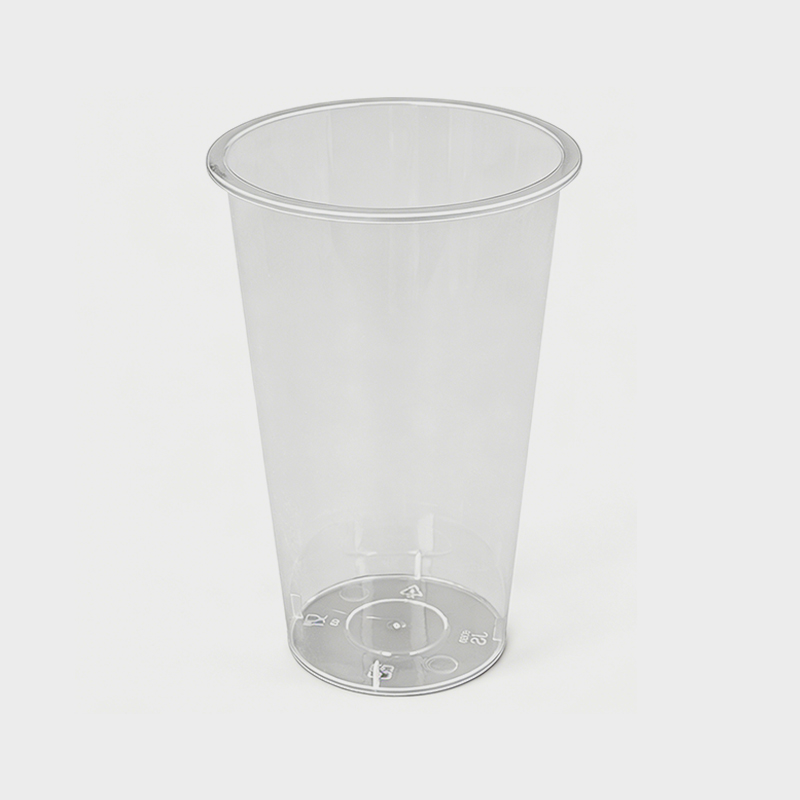
PET ist das bevorzugte Material für kalte Fast-Food-Anwendungen – Salate, Sandwiches, Wraps und kalte Desserts – aufgrund seiner außergewöhnlichen Klarheit, die eine erstklassige visuelle Darstellung des Lebensmittelinhalts ermöglicht. PET weist bei Standardqualitäten eine maximale Temperaturtoleranz von ca. 65–70 °C auf (CPET verträgt bis zu 220 °C), sodass es für Anwendungen mit heißen Lebensmitteln ungeeignet ist, sofern es nicht speziell formuliert ist. PET ist weltweit der am effizientesten recycelte Kunststoff mit einer gut etablierten Sammel- und Verarbeitungsinfrastruktur, und der Anteil recycelten PETs (rPET) wird zunehmend in lebensmitteltaugliche Behälter eingearbeitet. Eine Standard-500-ml-PET-Salatschachtel kostet 0,05 bis 0,15 US-Dollar pro Volumen.
Expandiertes Polystyrol (EPS) – Harzcode 6
EPS (im Allgemeinen allgemein unter dem Handelsnamen „Styropor“ bekannt) bietet die beste Wärmeisolierung aller Fast-Food-Boxmaterialien aus Kunststoff und hält heiße Speisen 40–60 % länger warm als PP oder PET bei gleicher Wandstärke. EPS-Fast-Food-Boxen sind extrem leicht und kosten nur 0,02 bis 0,08 US-Dollar pro Einheit, weshalb sie seit jeher beliebt für Suppen, Nudeln und frittierte Lebensmittel zum Mitnehmen sind, die eine Wärmespeicherung erfordern. EPS steht jedoch unter erheblichem und wachsendem regulatorischem Druck – es ist in der EU seit 2021, in Kanada seit 2022 und in zahlreichen US-Bundesstaaten und Städten für Einweg-Lebensmittelverpackungen verboten. Aufgrund seiner geringen Dichte und Kontaminationsempfindlichkeit ist EPS auch das am schwierigsten zu recycelnde Fast-Food-Verpackungsmaterial. In den meisten Märkten werden weniger als 10 % der EPS-Behälter recycelt.
Hochdichtes Polyethylen (HDPE) – Harzcode 2
HDPE wird hauptsächlich für Fast-Food-Saucenbecher, Dipbehälter und Getränkedeckel und nicht für Hauptmahlzeitboxen verwendet und bietet eine hervorragende chemische Beständigkeit und eine Temperaturtoleranz von bis zu 110 °C. HDPE ist weltweit einer der am häufigsten recycelten Kunststoffe und verfügt über einen starken Sekundärmarkt für recyceltes Material. Sein undurchsichtiges weißes Aussehen schränkt die ästhetische Vielseitigkeit für Premium-Präsentationen ein, aber seine Haltbarkeit und Sicherheitsbilanz machen es zu einer zuverlässigen Wahl für die Verpackung von Gewürzen und Soßen in Schnellrestaurant-Umgebungen.
Kunststoff-Fast-Food-Box-Materialien im Vergleich auf einen Blick
| Material | Max. Temp. | Klarheit | Isolierung | Recyclingfähigkeit | Ca. Kosten/Einheit | Am besten für |
| PP (Polypropylen) | 120°C | Halbklar bis undurchsichtig | Mäßig | Gut (Code 5) | 0,03 $–0,12 $ | Warme Mahlzeiten, Muscheln |
| PET | 65–70°C | Ausgezeichnet (kristallklar) | Niedrig | Ausgezeichnet (Code 1) | 0,05 $–0,15 $ | Kalte Speisen, Salate, Desserts |
| EPS (Styropor) | 80–90°C | Undurchsichtig (weiß) | Ausgezeichnet | Schlecht (Code 6, weitgehend verboten) | 0,02 $–0,08 $ | Suppen, Nudeln (wo legal) |
| HDPE | 110°C | Undurchsichtig | Niedrig | Sehr gut (Code 2) | 0,03 $–0,10 $ | Saucenbecher, Gewürztöpfe |
| CPET (kristallisiertes PET) | 220°C | Undurchsichtig (dark) | Mäßig | Gut (Code 1) | 0,10–0,30 $ | Ofenfertige Fertiggerichte |
Tabelle: Vergleich gängiger Fast-Food-Boxmaterialien aus Kunststoff nach Temperaturtoleranz, Klarheit, Isolierung, Recyclingfähigkeit, Kosten und bester Anwendung.
Welche Arten von Fast-Food-Boxen aus Kunststoff gibt es und wann sollte man sie jeweils verwenden?
Fast-Food-Boxen aus Kunststoff gibt es in sechs Hauptformaten – Klappschalen, Boden-Deckel-Sets, Tabletts mit mehreren Fächern, Nudelschalen, Soßenbechern und Originalitätsbehältern –, die jeweils für bestimmte Lebensmittelarten, Servicegeschwindigkeiten und Präsentationsanforderungen optimiert sind.
Klappschachteln
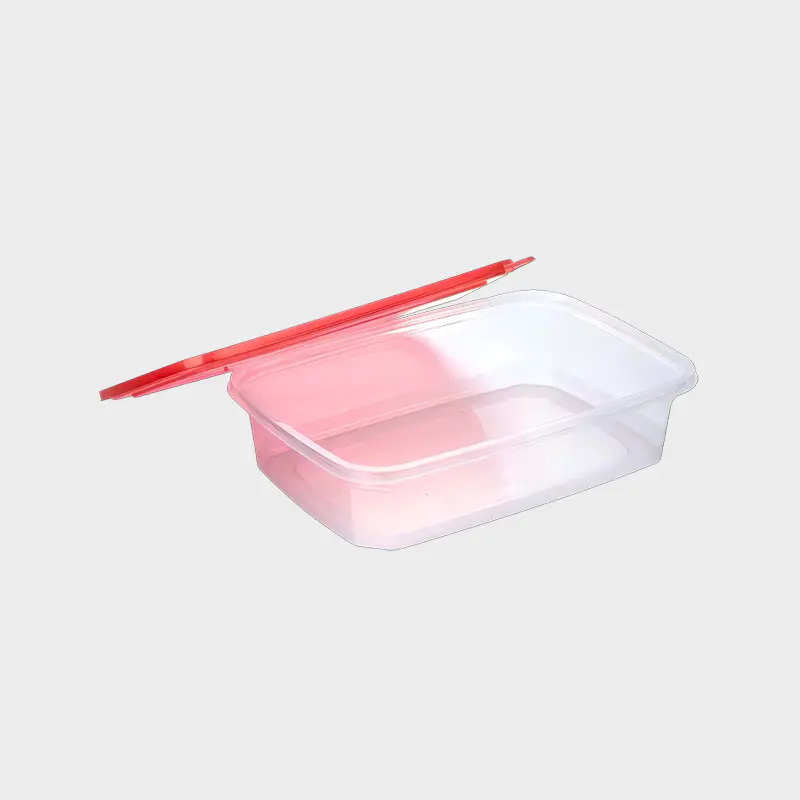
Clamshell-Fast-Food-Boxen aus Kunststoff sind das am häufigsten verwendete Format und zeichnen sich durch ein einteiliges Scharnierdesign aus, das sich in einer einzigen Bewegung öffnen und schließen lässt – ideal für Burger, Sandwiches, frittierte Hähnchenstücke und Reisgerichte, bei denen es auf die Verpackungsgeschwindigkeit ankommt. Durch das Scharnierdesign entfällt die Neintwendigkeit, Deckel und Unterteile bei der Wartung großer Mengen aufeinander abzustimmen, wodurch die Packzeit im Vergleich zu separaten Deckel- und Unterteilsystemen um 30–40 % verkürzt wird. Muschelschalen sind in Größen von 400 ml (Snackportionen) bis 1500 ml (Familienessenportionen) erhältlich und können mit perforierten Belüftungslöchern hergestellt werden, um Dampf aus frittierten Lebensmitteln abzulassen und so ein Durchnässen zu verhindern.
Behälter mit Boden und Deckel
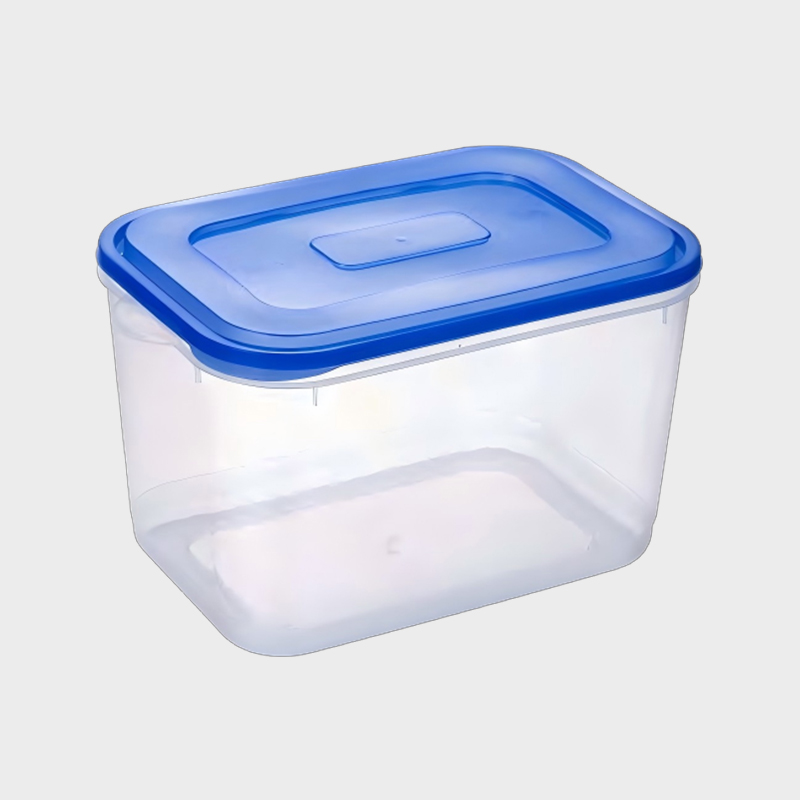
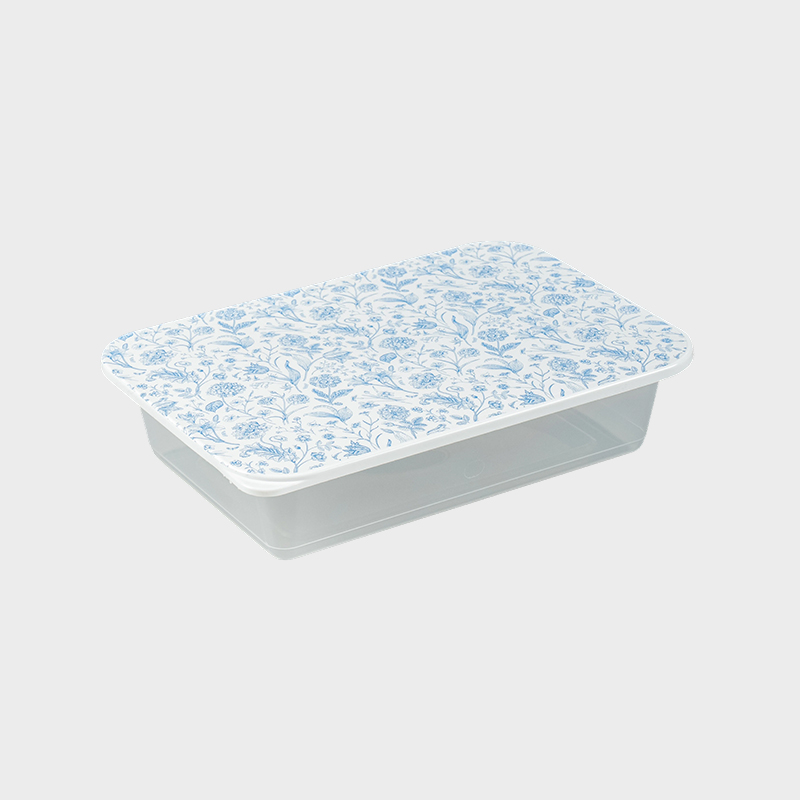
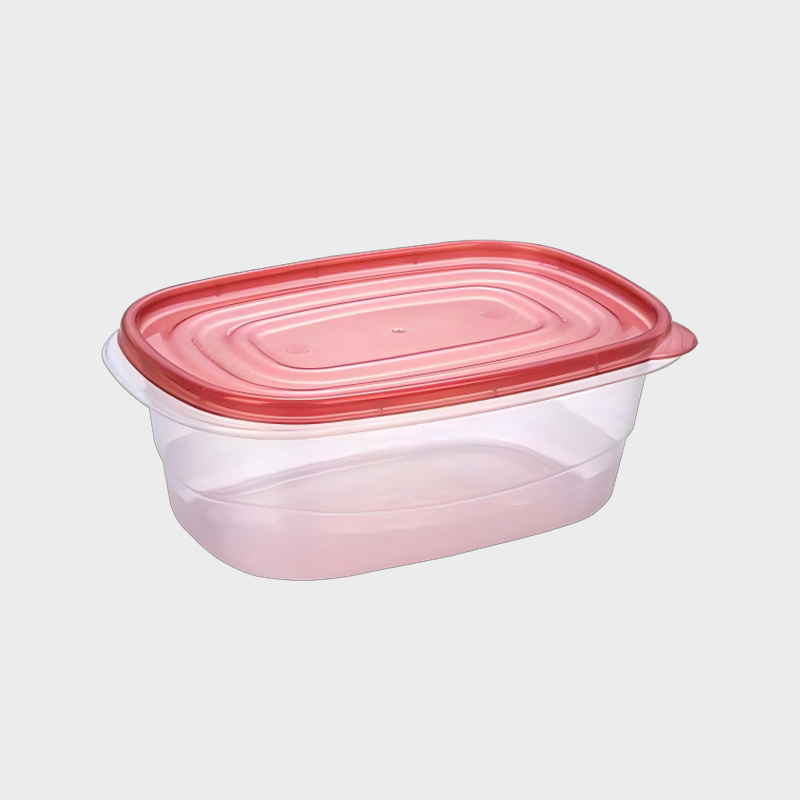
Separate Fast-Food-Boxen aus Kunststoff mit Boden und Deckel bieten ein hochwertigeres Erscheinungsbild und eine bessere Siegelintegrität als Klappschalen und sind daher das bevorzugte Format für lieferungsoptimierte Verpackungen und die Präsentation von Essenssets. Eine besonders beliebte Kombination sind PET-Deckel auf PP-Unterseite – der durchsichtige PET-Deckel präsentiert den Lebensmittelinhalt, während die PP-Unterseite die Hitze speichert. Schnapp- oder Druckverschlussdeckel verhindern das Verschütten während des Transports und bieten eine manipulationssichere Funktion, wenn die Schnapppunkte intakt sind. Zu den typischen Anwendungen gehören Salatschüsseln, Sushi-Tabletts, Nudelgerichte und alle Lebensmittel, die eine auslaufsichere Versiegelung erfordern.
Tabletts mit mehreren Fächern
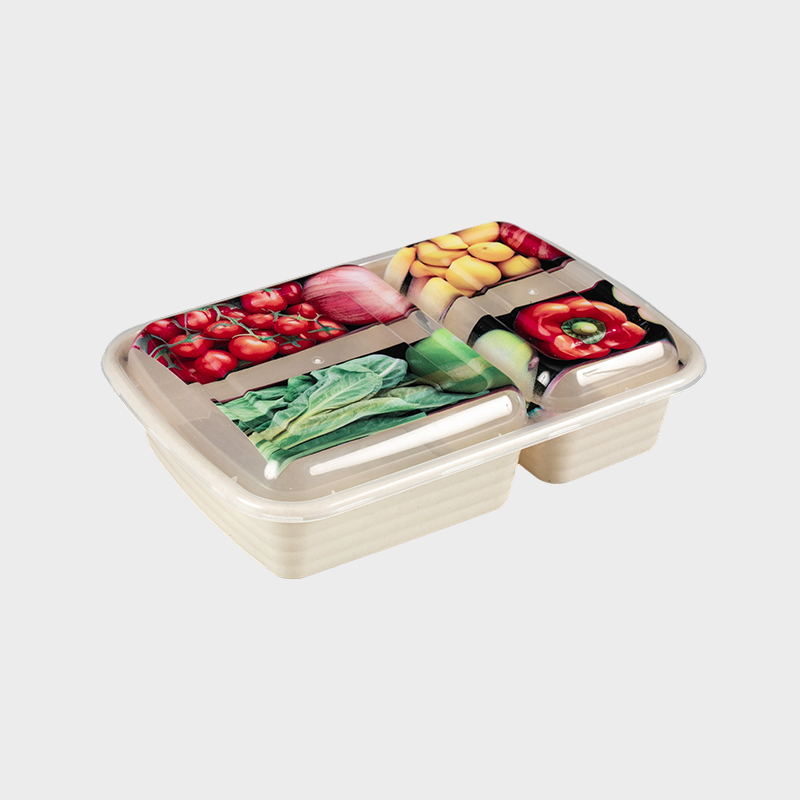
Fast-Food-Boxen aus Kunststoff mit mehreren Fächern und 2, 3 oder 4 unterteilten Abschnitten halten verschiedene Lebensmittelbestandteile getrennt und verhindern so Soßenwanderung, Durchnässigkeit und Geschmacksverunreinigungen zwischen den Speisen derselben Mahlzeit. Diese gehören zum Standard in Schulspeisungsprogrammen, in der Verpflegung von Fluggesellschaften, in der Verpflegung von Krankenhäusern und in allen Schnellrestaurants, in denen Kombi-Mahlzeiten serviert werden, bei denen Pommes Frites, ein Hauptgericht und ein Salat oder eine Beilage zusammengepackt werden. PP-Schalen mit drei Fächern und Schnappdeckel erfreuen sich besonders großer Beliebtheit auf asiatischen Lebensmittelliefermärkten, wo Reis, Eiweiß und Gemüse typischerweise als komplettes Set serviert werden.
Nudel- und Suppenschüsseln
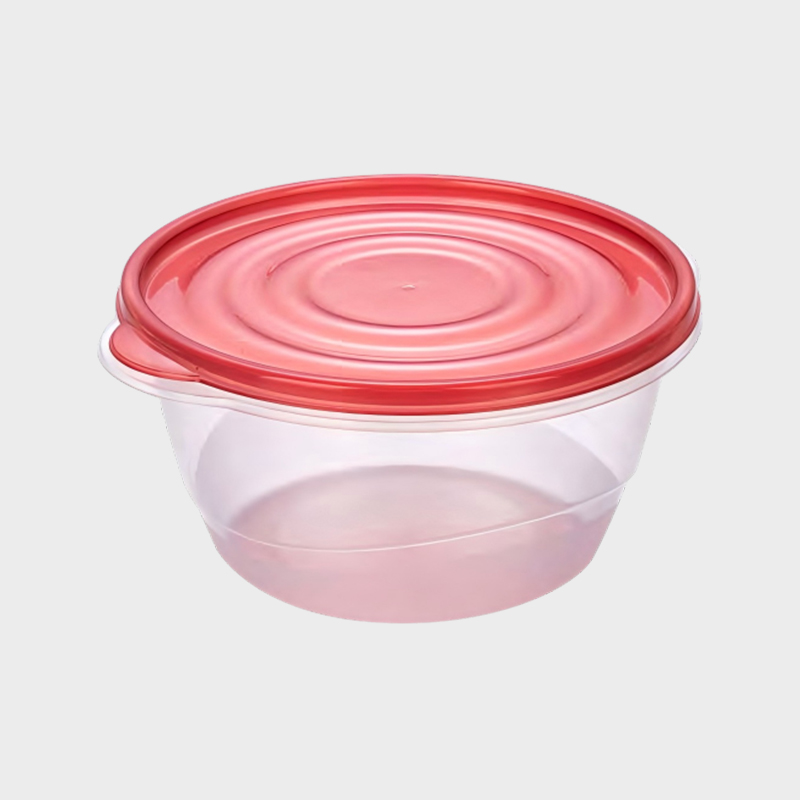
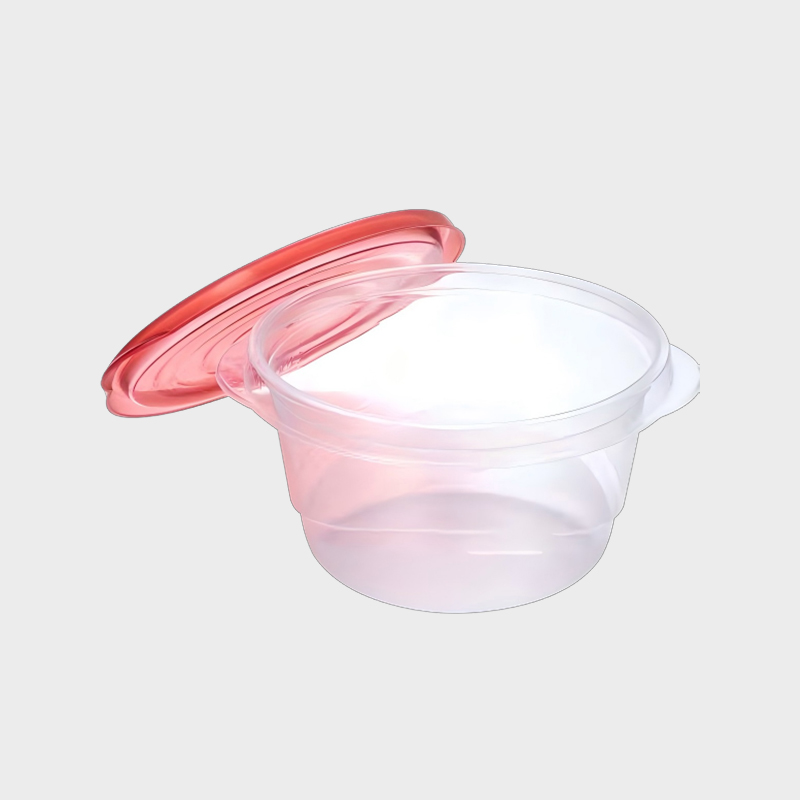
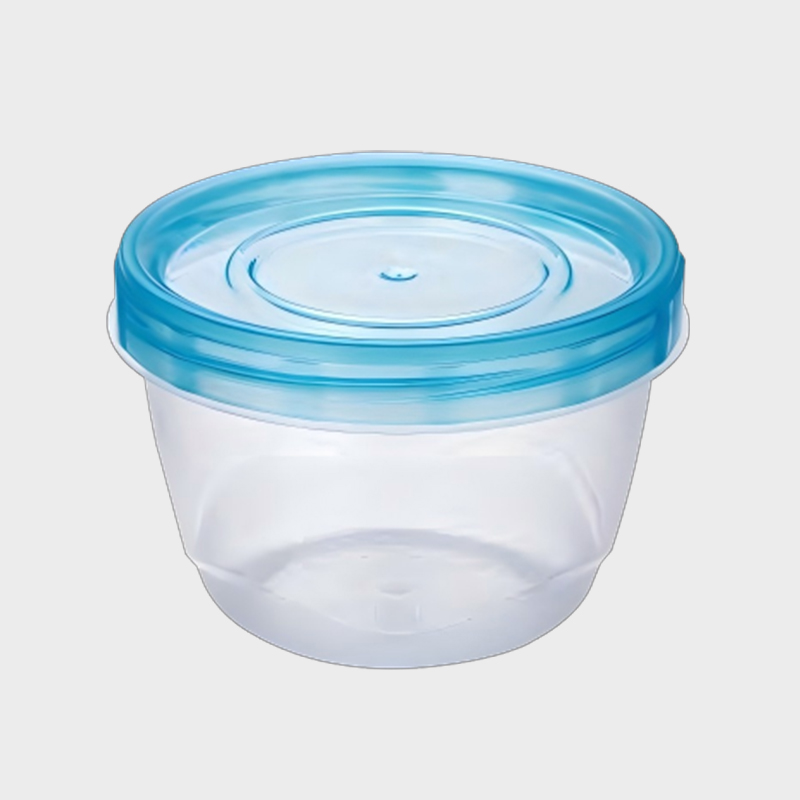
Runde oder rechteckige Fast-Food-Boxen aus PP-Kunststoff mit dicht schließenden Deckeln sind das Standardformat für heiße Nudelgerichte, Suppen und Congee in asiatischen Schnellrestaurants und Food-Court-Umgebungen, wo die Vermeidung von Auslaufen unter Transportbedingungen die Hauptanforderung ist. Die Wandstärke dieser Behälter beträgt typischerweise 0,8–1,2 mm und sorgt so für ausreichende Steifigkeit, um Verformungen beim Befüllen mit heißer Flüssigkeit zu verhindern. Griffe oder geriffelte Griffe an der Außenseite helfen Kunden dabei, heiß gefüllte Behälter bequem zu halten. Der Volumenbereich liegt typischerweise zwischen 500 ml und 1200 ml.
Vergleich von Fast-Food-Boxen aus Kunststoff mit Alternativen aus Papier, Bagasse und Aluminium
Fast-Food-Boxen aus Kunststoff übertreffen alle Alternativen in Bezug auf Feuchtigkeitsbeständigkeit, Stückkosten und Skalierbarkeit der Herstellung, liegen jedoch in Bezug auf Kompostierbarkeit und Umweltwahrnehmung der Verbraucher hinter Papier und Bagasse zurück – ein Kompromiss, der Kaufentscheidungen in der gesamten Gastronomiebranche zunehmend beeinflusst.
| Verpackungsart | Stückkosten (500 ml Äquiv.) | Wärmespeicherung | Feuchtigkeitsbeständigkeit | Kompostierbar | Recycelbar | Mikrowellengeeignet |
| Kunststoff (PP) | 0,04 $–0,10 $ | Mäßig | Ausgezeichnet | Nein | Ja (Code 5) | Ja |
| Pappe | 0,10–0,30 $ | Niedrig | Schlecht (unbeschichtet) | Nur wenn unbeschichtet | Wenn unbeschichtet | Nein |
| Bagasse (Zuckerrohrfaser) | 0,15–0,50 $ | Gut | Gut (up to 90 min) | Ja (certified) | Nein | Ja (most grades) |
| Tablett aus Aluminiumfolie | 0,08 $–0,25 $ | Ausgezeichnet | Ausgezeichnet | Nein | Ja (if clean) | Nein (fire hazard) |
| PLA (Biokunststoff) | 0,12–0,40 $ | Niedrig | Mäßig | Ja (industrial only) | Nein (contaminates stream) | Nein (deforms at 60°C) |
Tabelle: Leistungs- und Kostenvergleich von Fast-Food-Boxen aus Kunststoff mit Verpackungsalternativen aus Pappe, Bagasse, Aluminium und PLA-Biokunststoff.
Welche Lebensmittelsicherheitsstandards gelten für Fast-Food-Boxen aus Kunststoff?
Jede Fast-Food-Box aus Kunststoff, die für den direkten Lebensmittelkontakt verwendet wird, muss den Lebensmittelstandards für Kunststoff entsprechen, die von der zuständigen Regulierungsbehörde in ihrem Markt festgelegt wurden – in den USA ist dies FDA 21 CFR, in der EU ist es die Verordnung (EG) Nr. 10/2011 und in China ist es GB 4806.7.
Die Lebensmittelzertifizierung bedeutet, dass die Kunststoffformulierung keine schädlichen Zusatzstoffe (wie Bisphenol A/BPA, Phthalat-Weichmacher oder bestimmte Farbstoffverbindungen) enthält, die in Mengen über den festgelegten Sicherheitsschwellen in Lebensmittel übergehen könnten. Sowohl PP als auch PET sind in allen wichtigen Regulierungsrahmen weithin als lebensmittelecht zertifiziert, wenn sie nach entsprechenden Spezifikationen hergestellt werden. Zu den wichtigsten Dingen, die Käufer überprüfen sollten, gehören:
- Erklärung zum Lebensmittelkontakt — Der Lieferant sollte eine schriftliche Erklärung über die Einhaltung der einschlägigen Lebensmittelkontaktmaterialverordnung für den Zielmarkt vorlegen.
- BPA-frei-Zertifizierung – besonders wichtig für Behälter, die mit scharfen, säurehaltigen Lebensmitteln (Tomatensaucen, Zitrusgerichte) verwendet werden, bei denen das BPA-Migrationsrisiko am größten ist.
- Ergebnisse der Migrationstests — Seriöse Hersteller können umfassende Migrationstestergebnisse (normalerweise gemessen in mg/dm2 Kontaktoberfläche) vorlegen, die die Einhaltung der gesetzlichen Grenzwerte belegen.
- Eignung für den Temperaturbereich — Stellen Sie sicher, dass der angegebene lebensmittelechte Temperaturbereich des Behälters mit der tatsächlichen Temperatur der verpackten Lebensmittel übereinstimmt. PP ist bis 120 °C ausgelegt und eignet sich für frisch gekochte Lebensmittel bei 70–90 °C. Für 65 °C ausgelegtes PET ist dies nicht der Fall.
- Mikrowellengeeignete Markierung — Wenn der Behälter vom Kunden wieder aufgewärmt wird, muss er mit dem mikrowellengeeigneten Symbol (Wellenlinien) versehen sein und aus einem Material bestehen, das sich bei Mikrowellentemperaturen nicht verformt, schmilzt oder Chemikalien freisetzt.
Wie Fast-Food-Boxen aus Kunststoff für die Markenidentität individuell gestaltet werden können
Fast-Food-Boxen aus Kunststoff unterstützen vier Hauptanpassungsmethoden – In-Mold-Etikettierung, Tampondruck, Hüllenverpackung und kundenspezifische Farbmischung – und ermöglichen es Gastronomiebetreibern, Verpackungen zu erstellen, die die Markenidentität stärken, ohne die Kosten pro Stück bei Volumen wesentlich zu erhöhen.
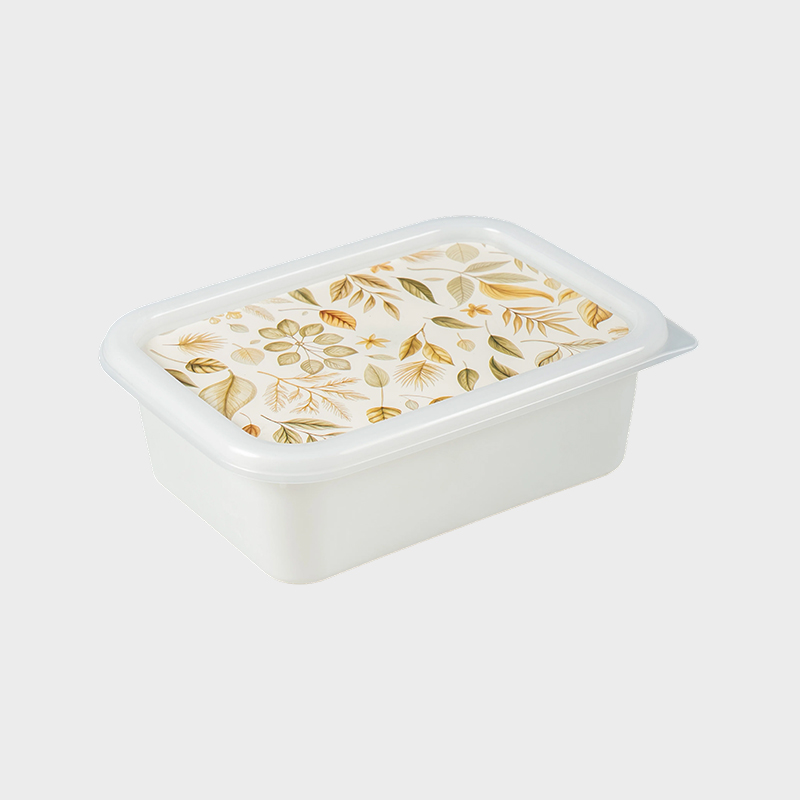
- In-Mold-Labeling (IML) — Vor dem Einspritzen des Kunststoffs wird ein dekoratives Etikett in die Spritzgussform eingelegt, wodurch ein dauerhaft verschmolzenes Vollfarbdesign in Fotoqualität entsteht, ohne dass die Gefahr eines Ablösens oder Abtrennens des Etiketts besteht. IML erfordert Investitionen in individuelle Formen (3.000 bis 15.000 US-Dollar pro Form), liefert aber nach der Amortisation der Werkzeuge die höchste Verarbeitungsqualität ohne Etikettenkosten pro Einheit. Die Mindestbestellmenge beträgt typischerweise 50.000–100.000 Einheiten.
- Tampondruck und Siebdruck — Die Tinte wird direkt auf die geformte Behälteroberfläche übertragen und eignet sich für einfache 1- bis 4-farbige Logos und Texte. Geringere Werkzeugkosten (500–2.000 US-Dollar pro Design), aber weniger langlebig als IML und nicht für fotografische Bilder geeignet.
- Schrumpfschlauchetiketten — Eine vorbedruckte Kunststoffhülle wird über den Behälter gelegt und durch Wärmeschrumpfen an die Form angepasst, sodass 360-Grad-Vollfarbgrafiken ohne Formmodifikation möglich sind. Hülsen kosten 0,03 bis 0,10 US-Dollar pro Einheit, bieten jedoch maximale Designflexibilität und können ohne Investition in neue Werkzeuge aktualisiert werden.
- Benutzerdefinierte Farbzusammensetzung — Das Kunststoffharz selbst wird in einer bestimmten Markenfarbe (Pantone-abgestimmt) hergestellt, was dem Behälter ein unverwechselbares einfarbiges Erscheinungsbild ohne Oberflächendruck verleiht. In der Regel sind Mindestbestellmengen von 50.000–200.000 Einheiten erforderlich.
Warum Nachhaltigkeit den Markt für Fast-Food-Boxen aus Kunststoff verändert
Der Druck der Verbraucher und der Regulierungsbehörden auf Einweg-Kunststoffverpackungen hat die Entwicklung von Kunststoffen mit Recyclinganteil, dünnwandigeren Designs und Programmen für Mehrweg-Fast-Food-Boxen aus Kunststoff mit Pfandrückgabe beschleunigt und damit die Wirtschaftlichkeit und die Materialauswahl in der gesamten Branche verändert.
Die 2021 in Kraft getretene EU-Richtlinie über Einwegkunststoffe (SUPD) verbietet EPS-Lebensmittelbehälter, schreibt vor, dass Kunststoffflaschen einen Mindestanteil an recyceltem Material enthalten müssen, und schreibt Rücknahme- und Sammelsysteme für bestimmte Verpackungsformate vor. Ähnliche Gesetze befinden sich in verschiedenen Stadien der Umsetzung im Vereinigten Königreich, Kanada, Australien und mehreren US-Bundesstaaten. Diese Vorschriften treiben direkt den Ersatz von EPS durch PP oder Bagasse voran und erhöhen die Nachfrage nach Lebensmittelbehältern mit rPET-Anteil.
Die Einbindung von Post-Consumer-Recyclinginhalten (PCR) in Fast-Food-Boxen aus Kunststoff nimmt rasant zu – lebensmitteltaugliche rPET-Behälter mit 30–100 % Recyclinganteil sind jetzt im Handel erhältlich, wobei Ökobilanzen eine Reduzierung des CO2-Fußabdrucks um 30–50 % im Vergleich zu reinem PET belegen. Auch PP-Behälter mit 25–30 % rPP-Anteil kommen auf den Markt, allerdings ist das Angebot an recyceltem PP in Lebensmittelqualität nach wie vor begrenzter als an rPET. Für Lebensmitteldienstleister, die die Umweltauswirkungen ihrer Verpackungen reduzieren und gleichzeitig die Kosten einhalten möchten, stellen PP- oder rPET-Behälter mit recyceltem Inhalt kurzfristig die pragmatischste Option dar.
So wählen Sie die richtige Fast-Food-Box aus Kunststoff für Ihren Betrieb aus
Die richtige Kunststoff-Fast-Food-Box für jeden Betrieb wird durch fünf Faktoren bestimmt: die Temperatur und den Feuchtigkeitsgehalt der Lebensmittel, die erforderliche Transportzeit und -entfernung, ob ein Aufwärmen durch den Kunden erwartet wird, das regulatorische Umfeld des Marktes und die Mindestbestellmenge, zu der sich das Unternehmen verpflichten kann.
- Für warme Mahlzeiten am Tisch oder an einem kurzen Schaufenster (weniger als 30 Minuten): PP-Clamshell- oder Boden-Deckel-Behälter im Bereich von 500–1000 ml. Achten Sie bei frittierten Speisen auf einen festen Sitz des Deckels und auf Lüftungsöffnungen.
- Für kalte Speisen (Salate, Sandwiches, Sushi, Desserts): PET-Behälter mit transparentem Deckel. Transparenz ist für die Produktpräsentation und Kaufentscheidungen der Verbraucher im Einzelhandel von entscheidender Bedeutung.
- Für Fernlieferungen (30–90 Minuten): PP-Behälter mit Isolierbeuteln oder EPS-Umverpackung (sofern zulässig). Erwägen Sie doppelwandige PP-Behälter für eine bessere Wärmespeicherung.
- Für Kombi-Mahlzeiten mit mehreren Komponenten: PP-Schalen mit mehreren Fächern und sicheren Schnappdeckeln. Das Design mit drei Fächern bietet Platz für die unterschiedlichsten Essensformate.
- Für im Ofen aufwärmbare Fertiggerichte oder Hochtemperaturanwendungen: CPET-Tabletts, die ohne Verformung direkt vom Gefrierschrank in den Ofen bei 220 °C gelangen können.
- Für Premium-Präsentation oder Markeneinzelhandel: Erwägen Sie durchsichtige PET-Kuppeln oder IML-PP-Behälter, wenn die optische Präsentation den Kostenaufschlag rechtfertigt.
Häufig gestellte Fragen zu Fast-Food-Boxen aus Kunststoff
Sind Fast-Food-Boxen aus Kunststoff mikrowellengeeignet?
In Mikrowellenherden sollten nur Fast-Food-Boxen aus Kunststoff verwendet werden, die ausdrücklich mit dem Symbol für Mikrowellensicherheit (Wellenliniensymbol) gekennzeichnet sind. PP-Behälter mit einer Temperatur von 120 °C sind im Allgemeinen mikrowellengeeignet, PET, EPS und die meisten Einwegkunststoffe hingegen nicht. Gehen Sie niemals allein aufgrund des Materials davon aus, dass ein Kunststoffbehälter mikrowellengeeignet ist. Achten Sie immer auf die Herstellerkennzeichnung. Auch bei mikrowellengeeignetem PP sollte vor dem Aufwärmen der Deckel abgenommen oder entlüftet werden, damit Dampf entweichen kann und sich kein Druck aufbaut.
Können Fast-Food-Boxen aus Kunststoff wiederverwendet werden?
Die meisten Fast-Food-Boxen aus Kunststoff sind nur für den einmaligen Gebrauch konzipiert und sollten nicht zur Aufbewahrung von Lebensmitteln wiederverwendet werden, da wiederholtes Waschen und Erhitzen den Kunststoff zersetzt und das Risiko einer chemischen Migration in Lebensmittel erhöhen kann. Dickwandigere PP-Behälter (Wandstärke über 1,5 mm) mit einem strukturellen wiederverwendbaren Design können sicher in der Spülmaschine gewaschen und ohne nennenswerte Beeinträchtigung mehrmals wiederverwendet werden. Dünnwandige Einwegbehälter sollten jedoch – unabhängig vom Material – einmal verwendet und ordnungsgemäß recycelt oder kompostiert werden. Einige Lebensmitteldienstleister führen derzeit Pilotprogramme für wiederverwendbare Behälter mit Pfandrückgabe durch und verwenden dabei dicke PP-Behälter, die für 50–100 Nutzungszyklen ausgelegt sind.
Woher weiß ich, ob eine Fast-Food-Box aus Kunststoff lebensmittelecht ist?
Eine Fast-Food-Box aus lebensmittelechtem Kunststoff trägt das Lebensmittelkontaktsymbol (Gabel-Glas-Symbol) und den Harz-Identifikationscode und sollte von einer Lieferantendokumentation begleitet sein, die die Einhaltung der für den Zielmarkt geltenden Verordnung über Lebensmittelkontaktmaterialien bestätigt. Käufer, die ihre Produkte von Herstellern beziehen, sollten eine Konformitätserklärung anfordern und bei großvolumigen oder sensiblen Anwendungen Migrationstestberichte von Drittanbietern anfordern. Vermeiden Sie Behälter ohne eindeutige Materialkennzeichnung oder von Lieferanten, die keine Dokumentation zur Lebensmittelkontaktkonformität vorlegen können.
Was ist die Mindestbestellmenge für maßgeschneiderte Fast-Food-Boxen aus Kunststoff?
Die Mindestbestellmengen (MOQ) für kundenspezifische Fast-Food-Boxen aus Kunststoff variieren erheblich je nach Individualisierungsmethode – Lagerbehälter mit Tampondruck haben typischerweise MOQs von 5.000–10.000 Einheiten, während individuell geformte Behälter mit In-Mold-Labeling 50.000–200.000 Einheiten erfordern, um die Werkzeugkosten zu amortisieren. Für kleine Lebensmitteldienstleister bietet der Kauf vorrätiger (nicht kundenspezifischer) PP- oder PET-Behälter und das Anbringen individueller Markenaufkleber oder Banderolenetiketten eine kostengünstige Möglichkeit, Verpackungen ohne Mindestbestellmengen zu kennzeichnen. Wenn das Auftragsvolumen wächst, wird der Übergang zu IML oder kundenspezifischem Formen in der Regel ab 100.000 Einheiten pro Jahr kosteneffizient.
Sind Fast-Food-Boxen aus Kunststoff recycelbar?
PP- (Code 5) und PET- (Code 1) Kunststoff-Fast-Food-Boxen sind technisch recycelbar und werden von vielen Recyclingprogrammen am Straßenrand und an der Abgabestelle akzeptiert, müssen jedoch vor dem Recycling von Lebensmittelrückständen befreit werden – kontaminierte Behälter werden in der Regel aussortiert und auf der Mülldeponie entsorgt. Die tatsächlichen Recyclingquoten für Lebensmittelverpackungen aus Kunststoff bleiben weltweit niedrig – Schätzungen liegen je nach Land zwischen 14 % und 30 % – aufgrund von Kontamination, falscher Sortierung und begrenzter Verarbeitungskapazität für bestimmte Harztypen. EPS-Behälter (Code 6) werden in weniger als 10 % der Märkte recycelt und sollten an den meisten Standorten als Deponieabfall betrachtet werden. PET verfügt weltweit über die höchste und beständigste Recycling-Infrastruktur und sollte für Kaltlebensmittelanwendungen, bei denen Nachhaltigkeit ein Anliegen ist, Vorrang haben.
Welche Umweltauswirkungen haben Fast-Food-Boxen aus Kunststoff im Vergleich zu Alternativen?
Studien zur Lebenszyklusanalyse (LCA) zeigen immer wieder, dass die Umweltauswirkungen von Fast-Food-Verpackungen weit mehr vom Entsorgungsweg am Ende ihrer Lebensdauer als von der Materialart abhängen – ein PP-Behälter, der gesammelt und recycelt wird, hat eine geringere Netto-Umweltbelastung als ein kompostierbarer Bagasse-Behälter, der auf der Mülldeponie landet. Eine vergleichende Ökobilanz aus dem Jahr 2023, die von der European Bioplastics Association veröffentlicht wurde, kam zu dem Ergebnis, dass neue PET-Behälter einen CO2-Fußabdruck von etwa 180 g CO2-Äquivalenten pro Einheit hatten, während Bagasse-Behälter mit 120 g CO2-Äquivalenten pro Einheit besser aussahen – allerdings nur, wenn sie über eine industrielle Kompostierungsinfrastruktur kompostiert wurden, die in den meisten Märkten weniger als 30 % der Nutzer erreicht. Die praktische Nachhaltigkeitsempfehlung für die meisten Betreiber lautet: Wählen Sie recycelbares PP oder PET, minimieren Sie das Materialgewicht (Leichtbau) und kommunizieren Sie den Kunden klar, wie sie die Verpackung ordnungsgemäß entsorgen.
Zusammenfassung: Wählen Sie die beste Fast-Food-Box aus Kunststoff für Ihre Bedürfnisse
Fast-Food-Boxen aus Kunststoff sind nach wie vor die praktischste, kosteneffizienteste und betriebssicherste Verpackungslösung für die meisten Schnellrestaurant- und Take-Away-Restaurants – vorausgesetzt, das richtige Material und Format sind auf die Art des Lebensmittels, die Serviertemperatur, die Lieferentfernung und die gesetzlichen Rahmenbedingungen abgestimmt.
PP-Clamshells und Behälter mit Boden und Deckel decken das breiteste Anwendungsspektrum für warme Speisen zu den niedrigsten Kosten pro Einheit ab. PET-Behälter sorgen für eine erstklassige Präsentation kalter Speisen. CPET kümmert sich um Anwendungen für ofenfertige Mahlzeiten. Tabletts mit mehreren Fächern servieren kombinierte Mahlzeitenformate effizient. Und wenn Nachhaltigkeitsaspekte für Kunden oder Aufsichtsbehörden von Bedeutung sind, stellen PP- und rPET-Behälter mit recyceltem Inhalt einen glaubwürdigen Schritt hin zu einer geringeren Umweltbelastung dar, ohne auf die praktischen Vorteile von Kunststoff verzichten zu müssen.
Die wichtigsten Kaufentscheidungen sind die Materialüberprüfung (Bestätigen Sie immer die Dokumentation zur Einhaltung der Lebensmittelqualität), die Temperatureignung (Anpassung der Behälterbewertung an die tatsächliche Lebensmitteltemperatur) und die Planung des Lebensendes (Auswahl von Materialien, die in Ihrer örtlichen Recycling-Infrastruktur akzeptiert werden). Eine gut ausgewählte Fast-Food-Box aus Kunststoff schützt die Lebensmittelqualität, stärkt die Markenpräsentation und hält die Verpackungskosten auf einem Niveau, das nachhaltige Geschäftsmargen unterstützt.